Superpower Ragdoll Physics World Events
Fifteen chaos directors—from T-Rex and shark rain to disco party—and how they rewrite map pacing.
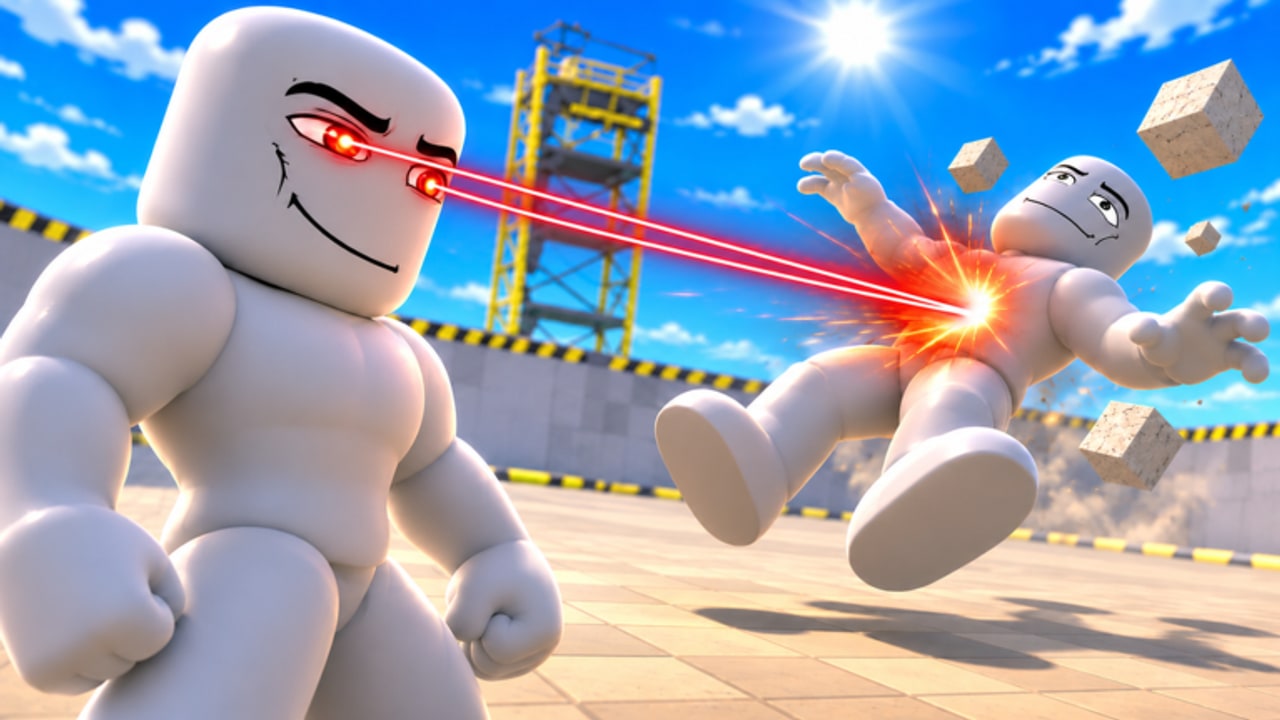
World events are the random directors of Superpower Ragdoll Physics. Across fifteen world events, the sky and streets can flip from quiet freeplay into a set piece without asking your permission. Headline chaos includes T-Rex rampage, shark rain, tsunami, airstrike, bee swarm, giant dummy, and disco party, with additional events filling out the fifteen-strong list as discoverable or rotating surprises. This guide explains how events change pacing, which maps answer them best, which powers adapt cleanly, and when to pause a scenario objective versus ride the wave. Patch notes on Updates matter whenever new events land.
What world events do to pacing
Think in three tempos:
- Chase tempo — something big hunts or stampedes (T-Rex energy). Mobility and time stop rise in value.
- Denial tempo — the environment deletes ground or sight (tsunami, airstrike, shark rain). Reposition first, farm second.
- Party tempo — the event is the content (disco party, giant dummy spectacle). Lean into comedy powers and film the clip.
Teams wipe less when they name the tempo out loud in the first seconds.
T-Rex rampage
A walking disaster with comedy teeth.
Pacing: chase tempo. Standing laser duels on flat ground are how highlight reels of your failure get made.
Do: web swing to height, time stop to cross open gaps, laser chip from angles, tornado only if it does not pull the dinosaur into your hostage.
Do not: plant a nuke charge in the open with no exit, or argue about villains while the rampage is the real director.
Map notes: stadium and city plazas make the chase readable; forest makes it scary; construction adds vertical escape options and fall risk.
Shark rain
The sky becomes a punchline and a hazard.
Pacing: denial tempo with slapstick.
Do: keep moving, use telekinesis to clear friends from bad piles, clap when clusters panic into each other, swing between bits of cover.
Do not: stare straight up until you walk off a construction beam.
Map notes: city and stadium give room to dodge; white room turns the rain into a physics lab; playground equipment creates hilarious ricochets.
Tsunami
Horizontal pressure that punishes low ground addiction.
Pacing: denial tempo.
Do: seek elevation with web swing or stadium stands, delay ground nukes, use time stop for emergency crossings, regroup on roofs.
Do not: start a frontline rehearsal on the lowest street without a height plan.
Map notes: city rooftops and construction upper decks shine; forest edges are mixed; clean white room offers fewer natural high grounds, so plan props carefully.
Airstrike
The sky competes with your own artillery.
Pacing: denial tempo plus visual noise.
Do: swap to utility—telekinesis, time stop, swing, clap—until lanes reopen. Then reintroduce meteor strike with a team call so you are not stacking friendly sky hate.
Do not: treat every explosion as your cue to nuke immediately.
Map notes: stadium and city make strike patterns readable; interior-leaning scenarios should soft-pause objectives until the barrage calms.
Bee swarm
A cloud that turns dense groups into comedy and pain.
Pacing: hybrid chase and denial.
Do: thunder clap and tornado to reshape clusters, swing out of the thickest cloud, laser priority if a villain is mixed into the swarm fantasy.
Do not: giant-mode yourself into a personal bee magnet without an exit.
Map notes: open plazas help; forest soft cover helps; tiny lab corridors amplify panic—reset camera often.
Giant dummy
A large prop-person spectacle that begs for experimentation.
Pacing: party tempo with occasional smash overlap.
Do: mirror with giant mode, chip with lasers, stage telekinesis jokes, film stadium-scale interactions.
Do not: forget scenario objectives if you were mid-hostage rescue—call a pause or a commit.
Map notes: stadium and playground are peak; construction risks knocking the joke into a fatal fall too early.
Disco party
Permission to be ridiculous.
Pacing: party tempo.
Do: pull out spectacle powers, coordinate a time-stop dance entrance, let tornado and clap play with the crowd, accept that efficiency metrics are cancelled for one song.
Do not: scold teammates for filming instead of optimizing—unless you are on a timed scenario attempt you already agreed was serious.
Map notes: playground, city plaza, stadium. White room disco is avant-garde and valid.
The rest of the fifteen
Beyond the headline seven, additional events complete the fifteen-event roster. Classify each newcomer quickly:
- Does it hunt you?
- Does it delete space?
- Does it invite a party?
Then borrow the matching playbook above. When Updates add or retune events, run one scout session on city and one on stadium before you invent rigid counters.
Events plus powers
| Tempo | Lean on | Delay |
|---|---|---|
| Chase | Web swing, time stop, laser chip | Stationary nuke windups |
| Denial | Telekinesis rescue, elevation, clap control | Blind meteor stacking |
| Party | Giant mode, tornado showmanship, coordinated ultimates | Premature scenario resets |
Deep tool identity remains on the Powers Guide.
Events plus maps
Carry the map sheet from the Maps Guide: sky hazards love readable open stages; floods love height; swarms love spaces with escape vectors; party events love spectacle arenas. If the seventh map is on rotation, spend the first event there learning fail states instead of blaming the power kit.
Events inside scenarios
- Hostage rescue: default to protecting the lane; pause cinematic greed.
- Bank heist: soft-pause vault beats during airstrike or tsunami.
- Outbreak / frontline: events become part of the difficulty curve—stagger ultimates harder.
- Prison break / lab escape: pathing events (flood, swarm) demand reroutes, not ego fights.
Agree whether the scenario attempt stays ranked-serious or becomes event-first improv. Mixed expectations cause voice-chat storms louder than shark rain.
Four-player event jobs
- Spotter — names tempo and hazard direction.
- Mover — sets rally height or cover.
- Controller — clap, tornado, time stop for panic management.
- Heavy — holds meteor/nuke until the spotter confirms a window.
Practice plan
- Idle in city until two different events appear; survive without ultimates.
- Repeat on stadium with ultimates allowed but countdown-required.
- Start a scenario and intentionally continue through one event without resetting.
- Review which tempo calls were late.
- Check Updates weekly so new events do not surprise only you.
World events keep Superpower Ragdoll Physics from becoming a static power menu. Learn to classify, adapt, and laugh—then your powers and maps feel twice as deep.
Frequently Asked Questions
Quick answers to the most common questions.
How many world events are in Superpower Ragdoll Physics?
There are fifteen world events, including T-Rex rampage, shark rain, tsunami, airstrike, bee swarm, giant dummy, and disco party.
What should I do when an event starts mid-scenario?
Name the tempo (chase, denial, or party), decide whether to soft-pause the objective, and assign mover and controller jobs before firing ultimates.
Which powers help most during tsunami?
Web swing for elevation, time stop for crossings, and telekinesis for rescues. Delay ground-based nukes until you have high ground.
Are disco party events serious threats?
They are party-tempo content. Enjoy spectacle powers unless your group pre-agreed a serious timed scenario attempt.
Where do I check for new events?
Watch the Updates hub and in-experience banners. Scout new events once on city and stadium before locking a counter strategy.